
Community Connect 2024–25: A Year of Delivery, Learning and Looking Ahead
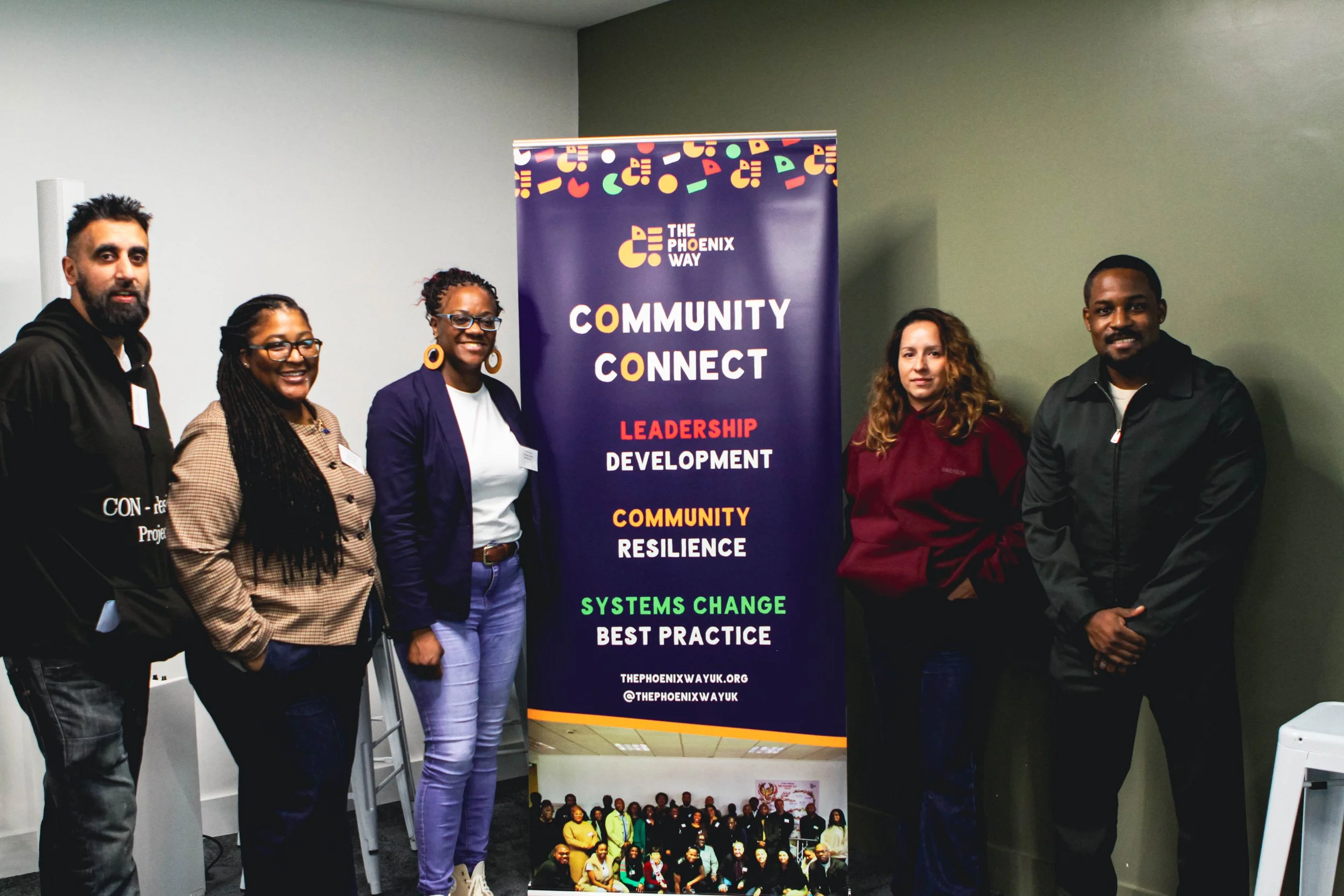
The past year has been a significant one for TPW Community Connect — ambitious in scope, rich in learning, and honest about what it takes to deliver meaningful capacity-building support in real-world conditions.
Between December 2024 and November 2025, Community Connect delivered a varied programme of online workshops, in-person learning — including residential leadership programmes — and national convenings supporting more than 160 leaders from Black-led and racially minoritised organisations working to reduce youth violence .
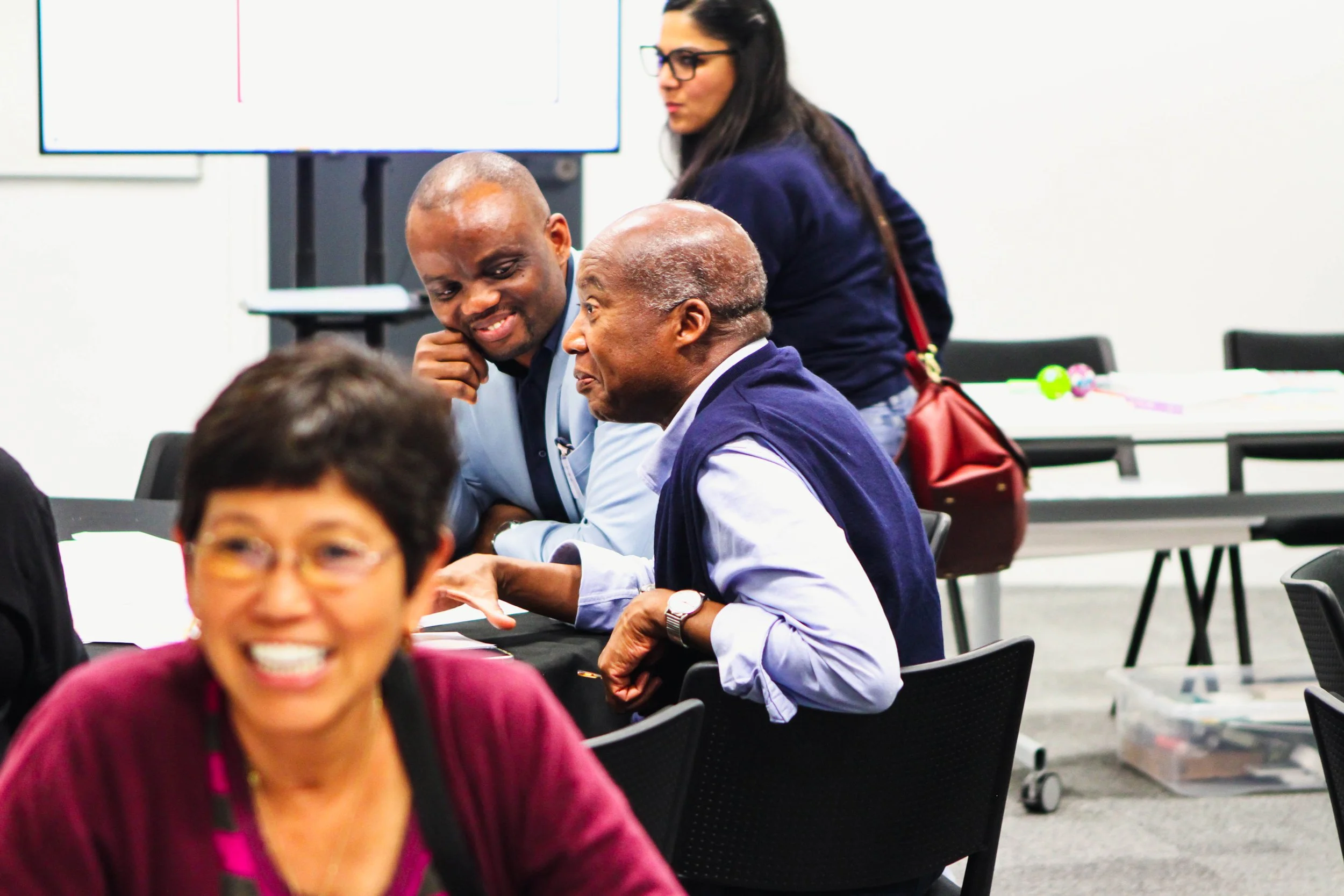
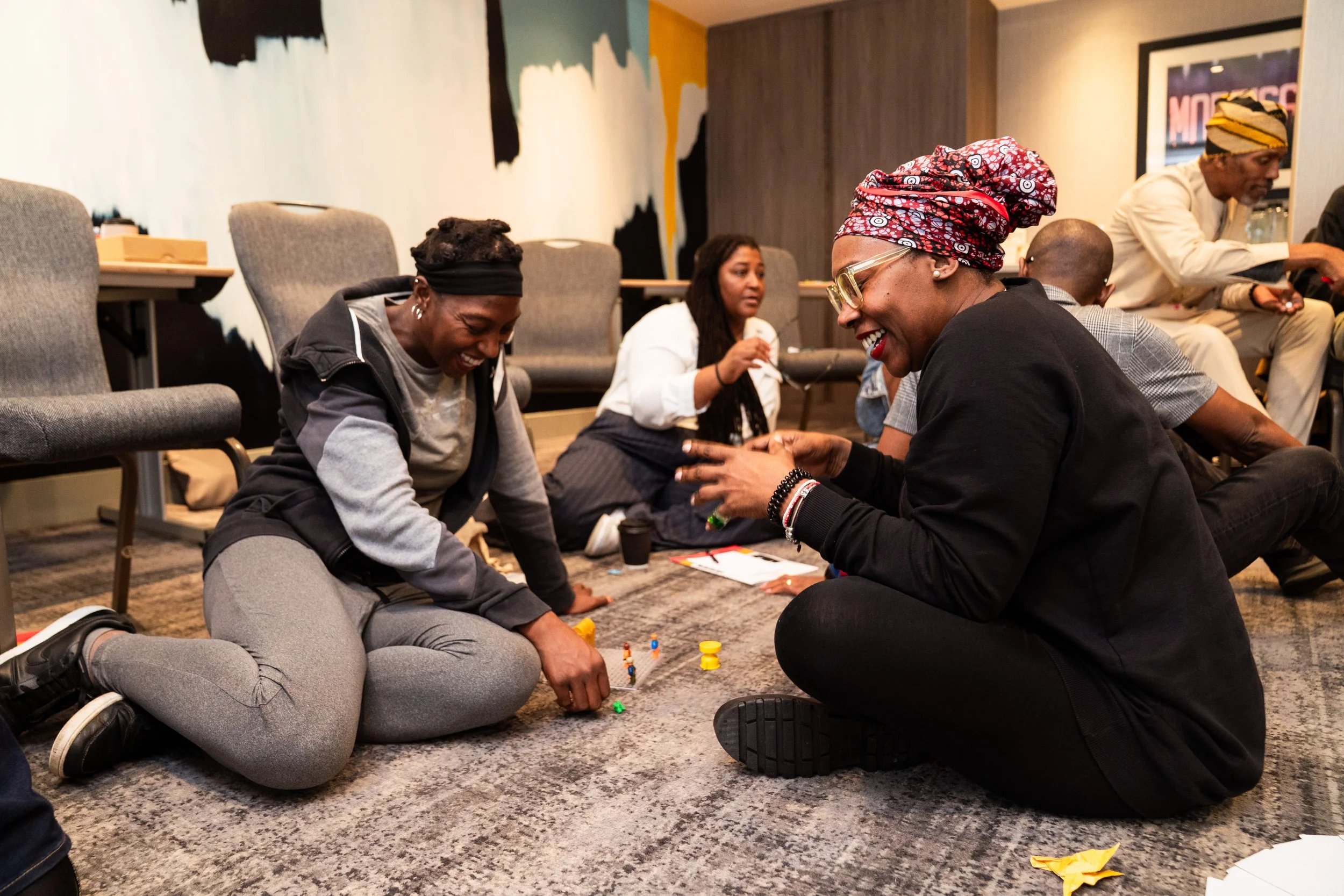
At the heart of the year were two national Big Events (December 2024 and November 2025), each bringing together over 50 grantee partner organisations. Being in the room together — sharing experiences, challenges and ambitions — consistently emerged as one of the most valued aspects of the programme. Reaching and sustaining that level of participation across all in-person activity, however, didn’t happen by accident. It required sustained, resource-heavy work: thoughtful marketing, regular communications, and plenty of direct, personal follow-up to encourage attendance. Alongside the Big Events, WE LEAD residential cohorts, the Community Wealth-Building Learning Journey, and Nia Upeoni created deeper, cohort-based spaces for leadership development and systems thinking, where commitment and impact were at their strongest.
The programme also tested a range of online sessions, including Building Blocks (Strategy, Planning, M&E, bid-writing), Practical AI, Say It Your Way (social media skills), and Living While Black (healing sessions). These sessions widened access to practical tools and reflection, though the year revealed familiar sector challenges: strong initial interest did not always translate into sustained attendance, particularly online.
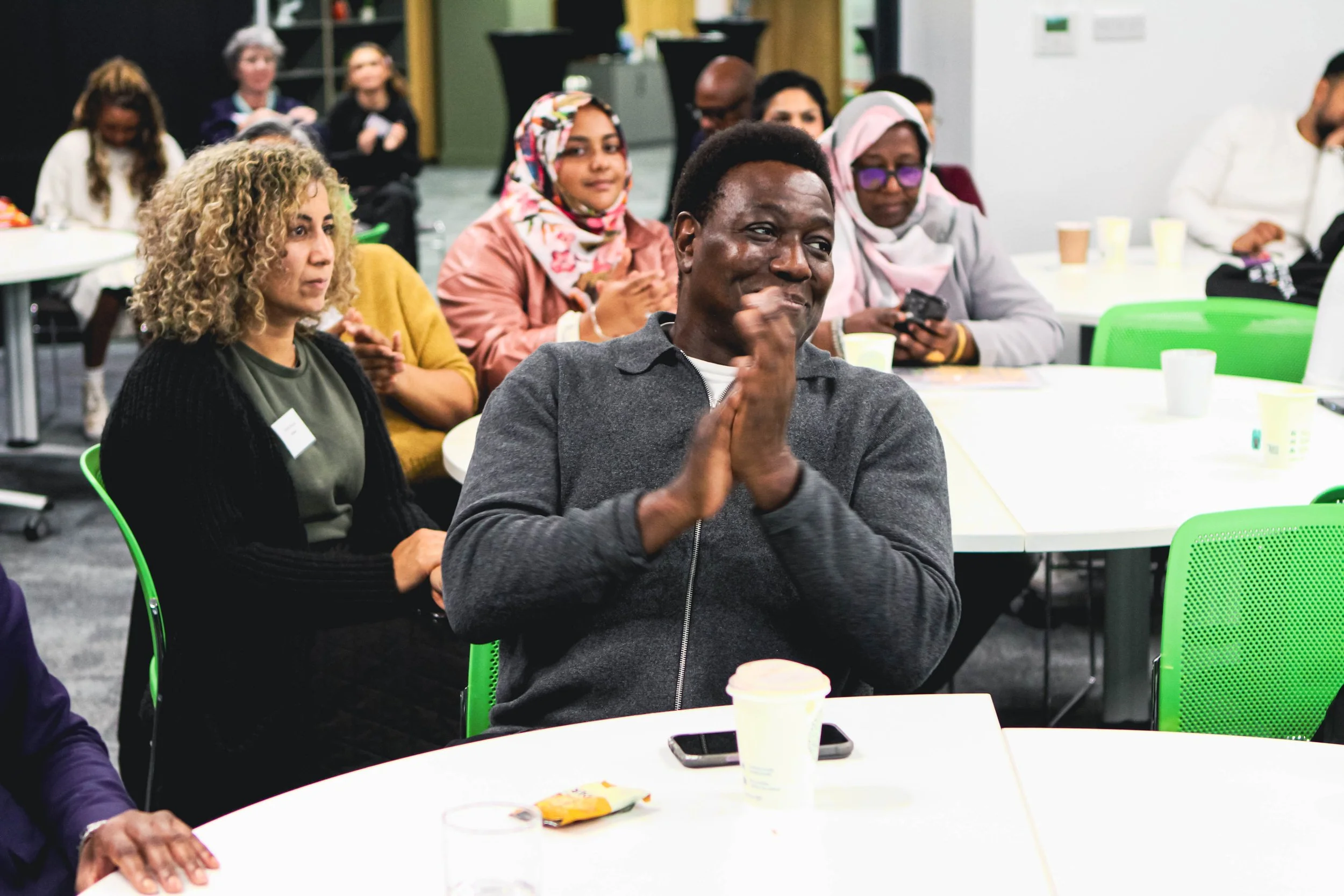
This pattern matters. Across the year, in-person and residential programmes consistently generated stronger commitment, deeper relationships and clearer outcomes. This was partly because they created protected time away from day-to-day pressures, with clear expectations around attendance and space for trust and peer connection to develop — and partly because of the sustained team effort required to secure participation through careful planning, communication and follow-up. Online formats, while useful and accessible, were easier to for people to deprioritise and often required disproportionate effort to sustain engagement. Combined with ongoing budget uncertainty and pressure on staff capacity, this underlined the limits of trying to do too much at once — and the importance of sharper focus in future design.
This learning has directly shaped both our thinking and our recommendations for what comes next.
The end-of-year analysis points towards a clearer direction:
a more needs-led model, grounded in direct conversations with grantee partners at the beginning of the grant period
stronger use of triage, so the support offered matches real capacity and context
greater emphasis on 1-to-1 and cohort-based work, where the biggest shifts can happen
and protection of the most impactful programme models, including WE LEAD, the Learning Journey model and the Big Event.
Progress was also made behind the scenes. Systems for registration, evaluation and governance were strengthened, a new Catalyst Group support/steering group was established, and learning from delivery was captured more deliberately — laying firmer foundations for what comes next.
In short, this year was about more than delivery. It clarified what works, what strains the system, and where Community Connect adds the most value. The recommendations going forward build directly on that learning, aiming for a capacity-building model that is coherent, sustainable and responsive — without losing the relational depth that has defined the strongest work to date.
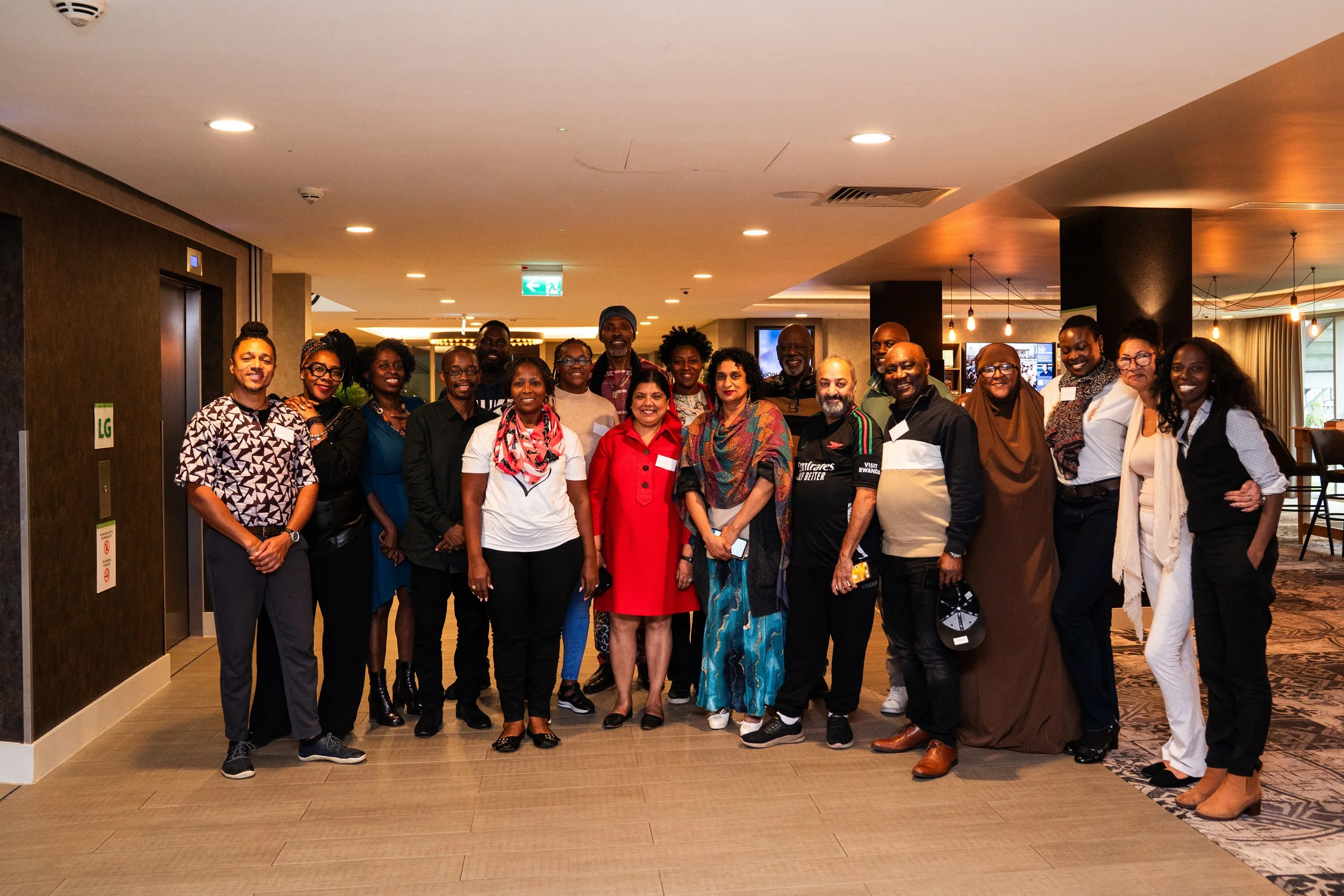
Thank you to everyone who took part, facilitated, partnered and shared their experience so openly. The learning from this year doesn’t sit on a shelf — it’s already shaping the next chapter.
Finally, my thanks to Yvette, Rémy and to Ali — for the commitment, care and sheer hard work that made this year possible.
Louise
Dec 2025
